

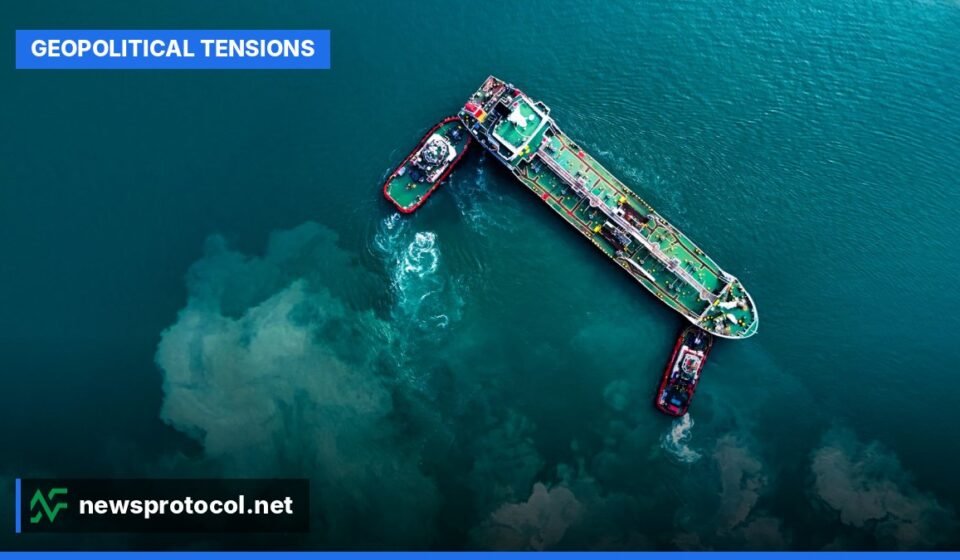

The United States has attacked Iranian targets in the Strait of Hormuz area, specifically on Qeshm Island, even as President Donald Trump’s administration signals continued diplomatic efforts for a negotiated settlement with Tehran. These limited strikes occurred on Monday, November 3, 2026, targeting Iranians who reportedly used surface-to-air missiles against US assets.
Key Facts
- US forces conducted limited attacks on Iran’s Qeshm Island in the Strait of Hormuz on November 3, 2026.
- The strikes targeted Iranians using surface-to-air missiles against US assets, according to a US government official.
- President Trump stated that the US had “won” a “very soft war” with Iran, despite ongoing military actions.
- Vice President JD Vance confirmed “a number of good conversations” with Iran, expressing optimism for a deal.
- Oil and gasoline prices remain a key concern for voters ahead of the US midterm elections on November 4, 2026.
What is the Latest on the Trump Iran Conflict?
US forces carried out limited attacks on Iranian targets on Qeshm Island in the Strait of Hormuz on Monday, November 3, 2026. This action comes despite President Donald Trump’s earlier declaration that the US had “won” a “very soft war” with Iran and was no longer engaged in fighting. A US government official, speaking anonymously to the Associated Press (AP), confirmed the attacks were defensive, aimed at Iranians who had used surface-to-air missiles against US assets. Iranian state television also reported explosions on Qeshm Island.
These reported strikes are the latest in a series of limited US actions against Iran in recent weeks, as detailed by US government officials to The Wall Street Journal. The Strait of Hormuz, a important waterway for global oil and gas trade, has been a focal point of the conflict, with Iran largely blocking the strait and regularly attacking ships since late February 2026.
Are Diplomatic Efforts Continuing Between the US and Iran?
Yes, diplomatic efforts between the US and Iran are continuing, with both sides signaling potential progress towards a resolution. Vice President JD Vance stated on Monday, November 3, 2026, that the US has held “a number of good conversations” with Iran. Vance and President Trump expressed optimism regarding the prospects for a negotiated settlement.
President Trump echoed this sentiment on Truth Social, writing that Iran wanted “a settlement as soon as possible” and that “It could happen!” He also attributed a significant drop in oil prices, “almost ten dollars per barrel,” to expectations that the conflict would end soon. Despite these diplomatic overtures, Israeli Prime Minister Benjamin Netanyahu is reportedly urging the US to conduct another wave of attacks against Iran after the midterm elections on Tuesday, November 4, 2026, according to regional officials and a source familiar with the matter.
How Do Oil and Gasoline Prices Relate to the Iran Standoff?
Oil and gasoline prices are a central issue influencing public sentiment and political discourse, especially with the US midterm elections scheduled for Tuesday, November 4, 2026. President Trump has repeatedly linked the conflict’s resolution to falling fuel prices, predicting that the war with Iran would end “soon” and that gasoline prices would decrease thereafter.
The nationwide average price for regular gasoline was $4.17 per gallon on Monday, November 3, 2026, according to the AAA. The organization had noted on Thursday that crude oil prices exceeding $100 per barrel would “limit further declines at the pump.” The conflict has contributed to a more than 40% increase in gasoline prices since its start, according to Schweizer Radio und Fernsehen (SRF).
The economic impact of the rising costs of livingpartly fueled by the Iran conflict, is a major concern for voters, particularly in regions like the Midwest. For instance, in Iowa, the “Iowa Farmers Union” has taken the unusual step of supporting the Democratic ticket for Congress, citing the Iran war, tariffs, and agricultural budget cuts as harmful to farming families. This illustrates how the broader economic landscape is deeply intertwined with geopolitical events.
What are the US’s Stated Options for Dealing with Iran?
The White House confirmed on Monday, November 3, 2026, that President Trump has “many options” available regarding Iran, emphasizing that “he will do what is right to protect the American people.” In an interview with Axios, President Trump outlined three potential scenarios for further action against Iran:
- A diplomatic deal achieved through negotiations.
- The intensification of economic sanctions and coercive measures.
- New military actions.
Trump stated that there was “no rush whatsoever” for a resolution, but he also complained that Iran “always tries to lull us” during negotiations. Despite the ongoing attacks, Trump denied plans for a major offensive after the midterm elections when asked by reporters on Monday. The situation remains fluid, with both military actions and diplomatic overtures occurring simultaneously.
Recent US Actions in the Strait of Hormuz
| Date | Location | Action | Source |
|---|---|---|---|
| November 3, 2026 | Qeshm Island, Strait of Hormuz | Limited attacks on Iranian targets | Associated Press (AP) via merkur.de |
| Weeks prior to Nov 3, 2026 | Strait of Hormuz | Several limited, undisclosed attacks | Wall Street Journal via merkur.de |
What is Iran’s Response to the US Actions and Diplomatic Overtures?
Iran has not publicly changed its core demands or accepted Washington’s proposals, according to reports. However, a massive billboard in Iran has displayed a blood-smeared image of President Trump with the message, “We will kill you,” as reported by morgenpost.de. This imagery shows the deep animosity despite ongoing negotiations. Iranian state television confirmed explosions on Qeshm Island following the US attacks.
The Iranian Ministry of Foreign Affairs spokesman Esmaeil Baghaei previously indicated that Tehran’s seven-step plan for de-escalation remained unchanged. This plan includes the swift reopening of the Strait of Hormuz and a return to nuclear program talks, with the offer potentially implementable within two days if Iran’s demands are met. The demands include the US lifting its naval blockade, repealing sanctions, guaranteeing an end to strikes, and securing a complete regional ceasefire.
FAQ
What is the current status of US military action against Iran?
The US conducted limited attacks on Iranian targets on Qeshm Island in the Strait of Hormuz on November 3, 2026. These strikes were defensive, targeting Iranians who used surface-to-air missiles against US assets. This follows a series of limited, undisclosed attacks in recent weeks.
Is President Trump pursuing a diplomatic solution with Iran?
Yes, President Trump’s administration is signaling continued diplomatic efforts. Vice President JD Vance confirmed “good conversations” with Iran, and Trump himself stated on Truth Social that Iran wants a settlement soon, suggesting it “could happen!”
How are oil prices affected by the Trump Iran situation?
Oil and gasoline prices are significantly impacted by the Trump Iran situation. President Trump attributed recent drops in oil prices to expectations of the conflict’s end. The conflict has contributed to over a 40% increase in gasoline prices, making affordability a key issue for voters.
Where is Qeshm Island located and why is it important?
Qeshm Island is Iran’s largest island, located in the Strait of Hormuz. This strait is a important chokepoint for global oil and gas shipments, making it strategically important. Iran has largely blocked the strait and conducted attacks on ships there since February 2026.
Sources: morgenpost.de – merkur.de – srf.ch – t-online.deUpdated: November 3, 2026.