

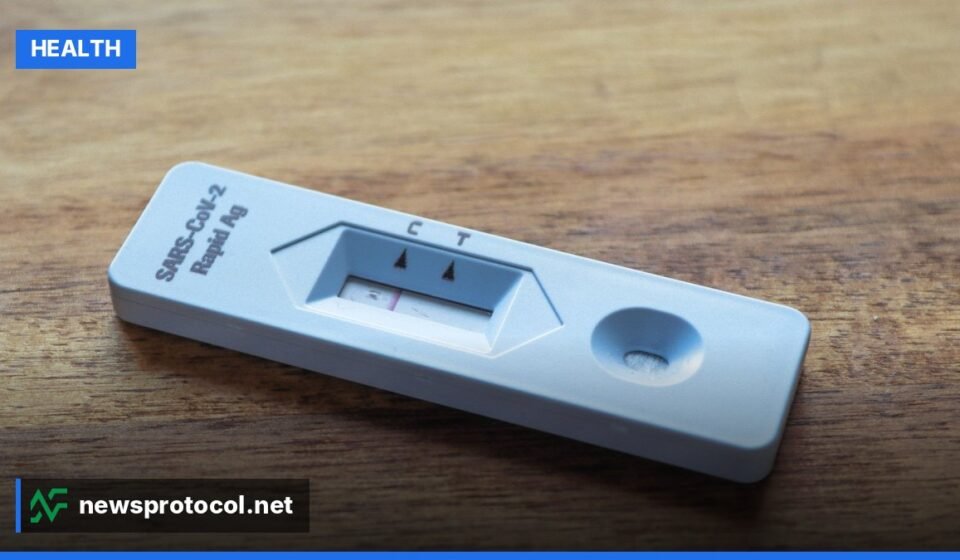

COVID positive test protocol is the set of actions you must take after receiving a positive COVID‑19 result to protect yourself and others.
Key Facts
- Day 0 of isolation begins on the day you test positive or on symptom onset, whichever is earlier.
- CDC recommends a minimum of 5 days of isolation; severe cases may require up to 10 days.
- Masking, hand hygiene, and ventilation are essential throughout the isolation period.
What Is the First Step After a Positive Result?
Contact your healthcare provider immediately to confirm the result and discuss any needed treatments.
Most patients can manage the illness at home, but early medical guidance helps identify those who may benefit from antiviral or monoclonal‑antibody therapy.
How Long Should You Isolate?
Isolation lasts at least five full days from the day of a positive test (Day 0) or symptom onset.
| Day | Action |
|---|---|
| 0 | Positive test or symptom onset; begin isolation. |
| 1‑4 | Stay home, wear a high‑quality mask around others, monitor symptoms. |
| 5 | If fever‑free 24 hours and symptoms improving, you may end isolation but continue masking. |
| 6‑10 | Wear a mask in public and around household members; consider antigen testing. |
| 10+ | If still symptomatic, continue precautions; otherwise, resume normal activities. |
If you develop moderate or severe illness, shortness of breath, chest pain, or confusion, remain isolated through day 10 and seek emergency care if warning signs appear.
What Home Care Measures Reduce Symptoms?
Supportive care is the base of treatment for most COVID‑19 cases.
- Rest in a well‑ventilated single room.
- Stay hydrated; aim for at least eight glasses of water daily.
- Use over‑the‑counter antipyretics such as acetaminophen for fever.
- Take analgesics for headache or muscle aches as needed.
These steps mirror the supportive care recommendations for other coronaviruses, including endemic Coronavirus 229E, which also rely on symptom management rather than specific antivirals (droracle.ai).
When Should You Seek Medical Attention?
Call 911 or your local emergency number if you experience any of the following warning signs:
- Difficulty breathing or shortness of breath.
- Persistent chest pain or pressure.
- New confusion or inability to stay awake.
- Skin, lips, or nail beds turning pale, gray, or blue.
Even mild cases can deteriorate rapidly, especially in immunocompromised individuals (droracle.ai).
How to Prevent Spread Within Your Household?
Maintain distance of at least one meter from other residents and use a separate bathroom if possible.
Wear a high‑quality mask (N95, KN95, or surgical) whenever you must share a space.
Do not share personal items such as cups, towels, or utensils.
Increase indoor ventilation by opening windows, using exhaust fans, or running a portable air purifier.
Frequent hand washing with soap and water remains essential after coughing, sneezing, or touching shared surfaces.
What About Contact Notification?
Notify close contacts promptly so they can monitor for symptoms and consider testing.
CDC advises that exposed individuals should quarantine for five days and test at least five days after exposure (lung.org).
When Can You Return to Work, School, or Public Activities?
You may resume normal activities when both conditions are met:
- At least 24 hours have passed since your fever ended without the use of fever‑reducing medication.
- Your other symptoms are improving.
Even after returning, continue mask use for an additional five days because you may still be contagious.
How Do Antigen Tests Influence the End of Isolation?
If you have access to rapid antigen tests, two consecutive negative results taken 48 hours apart allow you to stop masking earlier than day 10.
Positive antigen results indicate ongoing infectiousness, so continue isolation and repeat testing after another 48 hours.
Special Considerations for High‑Risk Individuals
People with weakened immune systems, chronic lung disease, or other comorbidities should consult their provider before ending isolation, as they may need a longer period or additional treatments such as corticosteroids (droracle.ai).
Related Guidance
For a broader view of pandemic‑related health measures, see our article on the importance of digital tools in modern work and educationThe same principles of clear communication and remote coordination apply to managing a COVID‑19 diagnosis.
FAQ
How many days do I need to isolate after a positive COVID test?
CDC recommends at least five full days of isolation from the day of a positive test or symptom onset, extending to ten days for moderate or severe illness.
Can I end isolation if I still have a mild cough?
Yes, if you are fever‑free for 24 hours and symptoms are improving, you may end isolation but should continue wearing a mask for five more days.
Do I need a negative test to stop isolating?
A negative antigen test is optional; two negative results 48 hours apart let you stop masking earlier, but isolation can end without a test if the time and symptom criteria are met.
What should I do if my symptoms get worse after day 5?
Contact your healthcare provider immediately and consider seeking emergency care if you develop any warning signs such as difficulty breathing or chest pain.
Is it safe to be around vaccinated people while I’m still infectious?
Yes, but you should still wear a high‑quality mask and keep distance, as breakthrough infections can occur and vulnerable individuals remain at risk.
Sources: droracle.ai – Lung.org – CDCUpdated: November 2, 2026.