

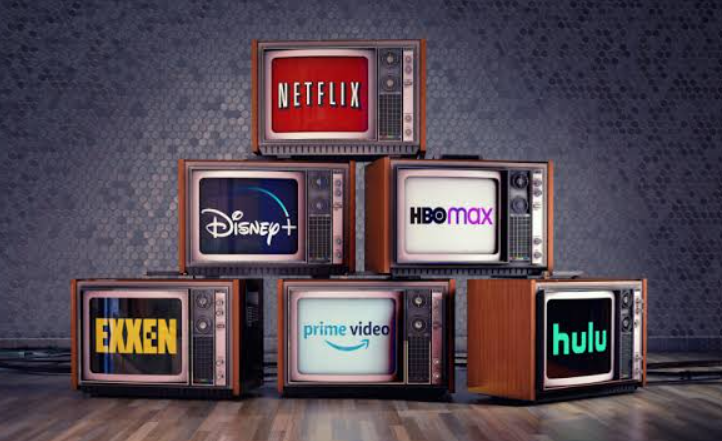

The entertainment industry is undergoing another major transformation as streaming platforms become an increasingly important way for audiences to watch movies, series and other digital content.
Viewers now have access to thousands of titles through smartphones, smart TVs, tablets and computers. This has changed not only how people watch entertainment but also how new shows and films become popular.
Audiences Have More Choices
Traditional television schedules once determined when viewers could watch their favorite programs. Streaming services have changed that model by allowing people to choose what they want to watch and when they want to watch it.
This flexibility has made on-demand entertainment particularly attractive to younger audiences.
Viewers can watch an entire season in a short period or return to individual episodes whenever they have time.
Social Media Helps Shows Become Popular
Social media has also become an important part of entertainment promotion.
A memorable scene, character or soundtrack can quickly become popular online. Fans may create short videos, memes and discussions around a movie or series, helping introduce it to people who have not watched it yet.
As a result, online conversations can sometimes generate significant attention for entertainment projects.
Global Content Is Reaching Wider Audiences
Streaming has also made international entertainment easier to discover.
Viewers can now watch productions from different countries without relying entirely on traditional television networks. Subtitles and dubbing have made foreign-language content more accessible.
This has created opportunities for filmmakers and actors to reach audiences outside their domestic markets.
The Competition Is Increasing
The growth of streaming has also created strong competition between entertainment companies.
Platforms are investing in original movies and series to attract subscribers. At the same time, audiences are becoming more selective because they have many alternatives.
A successful production can attract large numbers of viewers, while less popular content may struggle to receive attention.
What Audiences Want
Viewers increasingly appear to value strong storytelling, memorable characters and convenient access.
Big budgets can help productions create impressive visuals, but audiences often continue to respond strongly to stories that offer emotional connection and originality.
Entertainment companies therefore face the challenge of balancing production costs with changing viewer preferences.
The Future of Entertainment
The entertainment industry is likely to become even more digital in the coming years.
Streaming, short-form video, interactive content and new forms of digital storytelling may continue to reshape audience habits.
For viewers, this means more choices and greater flexibility. For creators, however, it also means stronger competition for attention.
As technology and entertainment continue to develop together, the biggest challenge may not be producing content—it may be creating something audiences genuinely want to watch and share.