
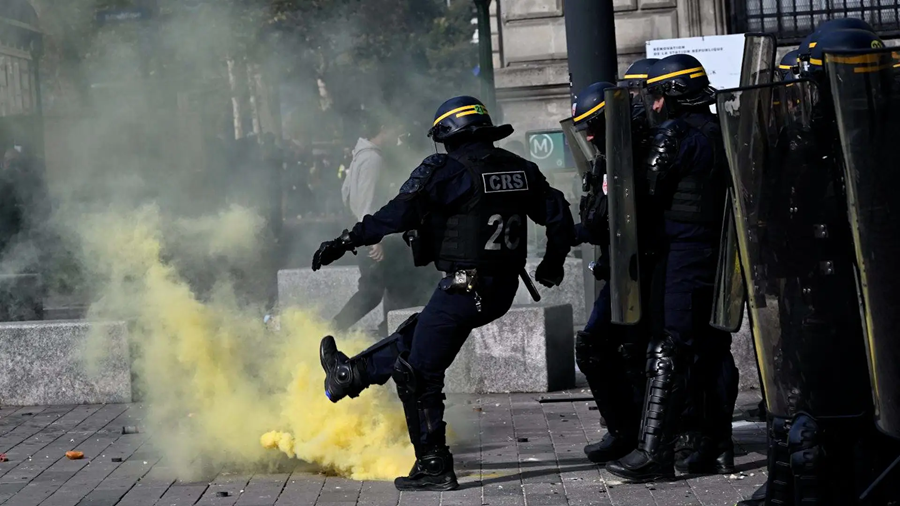

France protests have pushed several cities to impose curfews on Monday, 19 October 2026, after a weekend of some of the worst street violence the country has seen in years. Paris, Lille, Nice and a few smaller towns are now restricting movement in the evening and overnight to protect shops and calm tense neighbourhoods.
Prime Minister Sébastien Lecornu asked local authorities to use limited, targeted measures rather than a nationwide order. The story matters beyond France: the US, Germany and China have all issued cautions to travellers, and an NFL game is due in Paris later this month.
France Protests Today: What Happened
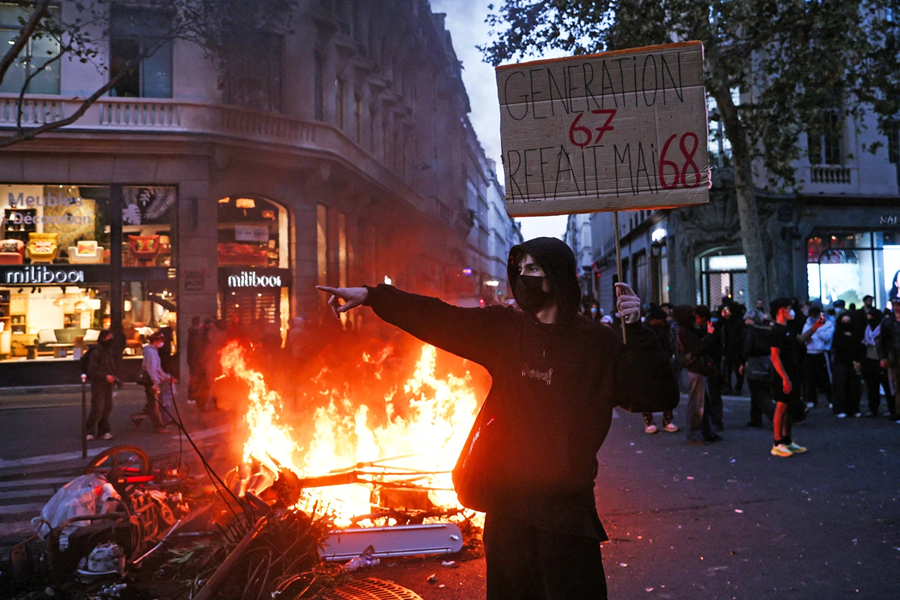
According to BBC live coverage, more than half a million people joined demonstrations across France on Saturday, and some turned violent. The BBC reports more than 2,500 arrests. A separate US report puts the figure at nearly 2,000. Neither source explains the difference.
France’s Chamber of Commerce and Industry says more than 2,000 businesses were hit and estimates the damage in the hundreds of millions of euros. Goods looted during the unrest have also appeared for resale online, and two government ministers have said resellers will be prosecuted.
The France curfew measures differ by town:
- Paris curfew: Place de la République and the streets around Les Halles, from 20:00 to 04:00 GMT (22:00 to 06:00 Paris time).
- Nice: a curfew for minors only, for a similar period.
- Lille, Wattignies, Douai and Denain: two-day curfews starting at 18:00 GMT (20:00 Paris time).
- Coulaines: minors must be off the streets after 23:00 local time, according to mayor Christophe Roullion.
Lecornu stopped short of declaring a state of emergency. That leaves each mayor free to set their own rules, so the details vary from place to place.
Why the Unrest Turned So Violent
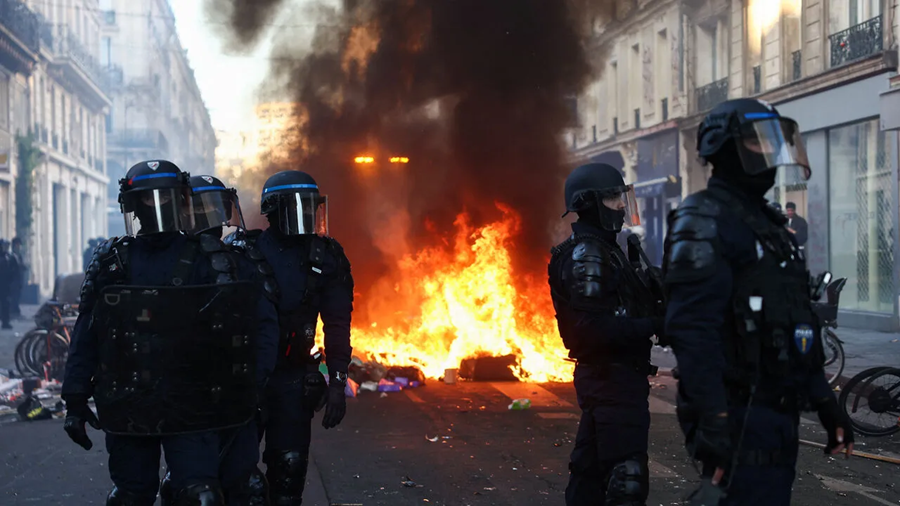
Reports name rising living costs and poor school conditions as the main triggers. What turned them into the worst disorder in years is less clear, but the data points to an unusual pattern.
- The research group Acled recorded almost 66 demonstrations a day in this wave, against about 20 in earlier unrest periods over the past five years.
- Almost a quarter of recorded events were classed as riots, compared with under 2% in earlier waves. Only the 2023 unrest after the Nanterre police shooting had a higher share.
- More than 400 events involved arrests, against 138 during the 2023 pension protests.
- Acled’s chief executive, Prof Clionadh Raleigh, called the situation “exceptional”. Protests in smaller towns have stayed largely peaceful.
Note that Acled’s data runs only to Friday 16 October, before the weekend’s worst violence. The full picture is probably more severe. Interior Minister Laurent Nuñez admitted police “lost control”, and President Emmanuel Macron acknowledged failures in anticipation and intelligence. Macron ruled out Nuñez’s resignation.
Background: Why France Is Politically Fragile
This wave sits on top of a long political crisis. When Lecornu took office in September 2025, Reuters reported he was Macron’s fifth prime minister in two years. He faced a parliament split into three ideological blocs and a budget deficit of 5.8% of GDP in 2024. That period also saw the “Block Everything” protests against budget cuts and the political class.
The current protests have their own triggers, but the backdrop is the same: low trust in institutions and a government with little room to manoeuvre. Lecornu and the justice minister have pointed to the “far-left”, with the prime minister saying radical groups want to destabilise France before next year’s elections. Others, including students on the streets, say the government should address the frustrations behind the protests first.
A young US artist living in Paris, Isa Obradovich, told BBC Newsbeat that most protests she attended were joyful. She believes a small minority is responsible for the looting and says communities are raising funds to help small businesses rebuild.
Wider Impact: Travel Warnings and the NFL in Paris
Germany’s foreign ministry has urged citizens to take care and avoid demonstrations where possible. China has told its citizens to monitor the situation and stay away from protest areas. The US State Department has a travel advisory in place.
The Pittsburgh Steelers and New Orleans Saints are due to play the first NFL game in Paris at the Stade de France later this month. The NFL says it is working with local authorities on security. Steelers safety Jaquan Brisker said he wants to be safe, while teammates expressed excitement about the trip.
What Comes Next
- Curfews: the Paris order ends at 04:00 GMT tomorrow, and the northern towns’ orders run two days. Whether they are extended or spread to other cities is not yet known.
- Accountability: Nuñez keeps his post for now, but the debate over police failures is likely to continue.
- Cleanup and support: the scale of insurance and aid for the 2,000-plus damaged businesses has not been announced.
- NFL game: it is still scheduled for later this month. No change has been announced.
- Casualties: the sources provided do not give figures for injuries or deaths.
Practical Tips for Residents and Visitors
- Check your local prefecture or town hall website and social media for the exact curfew zones and hours.
- Avoid Place de la République and the Les Halles area in the evening and overnight.
- Expect transport and shop closures near protest routes. Allow extra travel time.
- Follow your embassy’s travel alerts and register for its traveller programme if it has one.
- In an emergency, call 112 (EU-wide) or 17 for French police.
- Parents of teenagers in Nice or Coulaines should check the rules for minors.
The Bigger Picture
The France protests show two stories running at once: a large, mostly peaceful movement over living costs and schools, and a smaller wave of rioting and looting that dominates the headlines. Which story the public believes will shape the political response, and with elections next year, both the government and its opponents have reasons to frame it their way. Curfews can calm streets for a few nights. They do not address the frustration behind the protests.
This is a developing story and will be updated.
Sources