

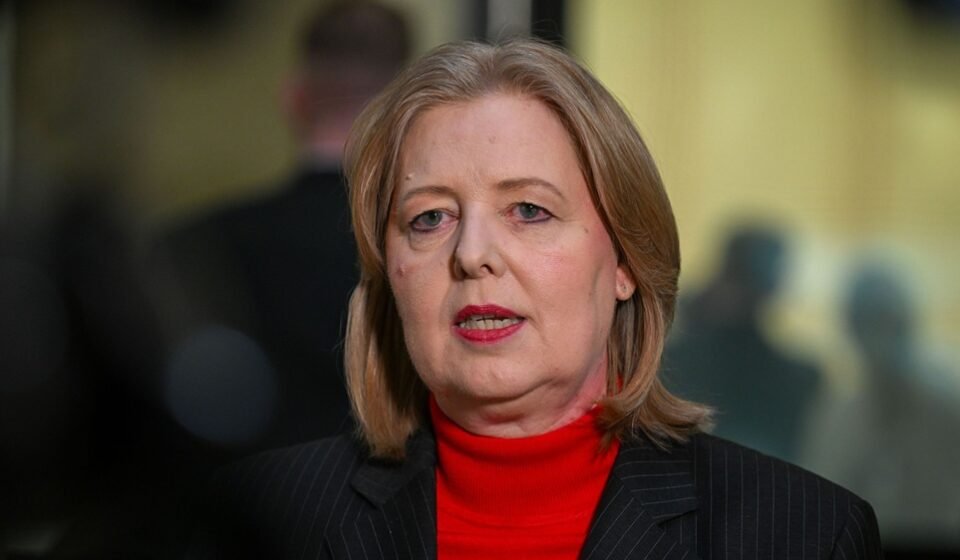

Bärbel Bas has resigned as Germany’s labour minister and as co-leader of the Social Democrats (SPD), effective immediately, after the death of her stepdaughter and what she described as public attacks during her bereavement. She announced the decision on Monday, 12 October 2026, and Alexander Schweitzer, a former state premier, is set to take over her ministry.
The resignation is a new blow to Chancellor Friedrich Merz’s coalition, which is under pressure over economic and pension reform and has lost voter support. Chancellor Merz responded at a press conference the same afternoon but did not accept that his party had gone too far.
Bärbel Bas Resigns Today: What Happened
In a written statement distributed by the SPD leadership, Bas said she needed time to grieve and could not currently muster the strength to carry out her government and party duties in full. She gave no further details about the death.
She also said the attacks against her had intensified in this period, “unfortunately also from among the ranks of the coalition partner.” That partner is Merz’s Christian Democratic Union (CDU) and its Bavarian sister party, the CSU. Bas will stay on as a member of the Bundestag.
Why It Happened
Bas pointed to personal loss and political pressure. The criticism had been building over several weeks.
- Some CDU lawmakers criticised her absences during a decisive phase of the government’s reform drive, according to the Guardian, even though a death in her family was widely known.
- Conservatives complained that her ministry had not yet presented plans on flexible working hours and pensions agreed at a coalition committee on 1 July, ARD reported. Labour market bills are now in early coordination at the Chancellery.
- Bas missed last week’s coalition committee and was due to speak at the employers’ conference on Tuesday. Her appearance there last year led to a sharp clash with the employers’ association BDA, according to ARD.
- ARD said senior conservatives, including CSU leader Markus Söder, had shown understanding for her situation, while public criticism continued from lower ranks.
How Merz and Others Reacted
Merz first thanked Bas on X for trusting cooperation and offered his condolences. “As a father and grandfather, I can only imagine how deeply felt this loss is for you,” he wrote.
At a press conference after a CDU leadership retreat, he was asked whether the Union had crossed a line. According to Swiss outlet Blick, he replied that he could not see any such breach and said he had only discussed substantive issues with Bas. Foreign Minister Johann Wadephul said the resignation changes nothing for the government’s work.
SPD co-leader Lars Klingbeil, who is also vice-chancellor and finance minister, called the attacks “indecent” and cancelled a trip to India. Manuela Schwesig, minister-president of Mecklenburg-Western Pomerania, called the CDU’s behaviour “inhuman and ruthless.” Alice Weidel of the far-right AfD offered sympathy but said the episode showed the coalition “is at its end.”
Who Is Alexander Schweitzer?
Schweitzer is 53 and was minister-president of Rhineland-Palatinate until the end of May, according to Blick. He belongs to the SPD, and ARD describes him as the former head of the state government.
Reports say Merz intends to propose him to Federal President Frank-Walter Steinmeier as the new labour and social affairs minister. Merz said he hoped Schweitzer would quickly push the government’s pending labour and pension bills through cabinet and into parliament.
Background: Who Bärbel Bas Is and Why Her Role Mattered
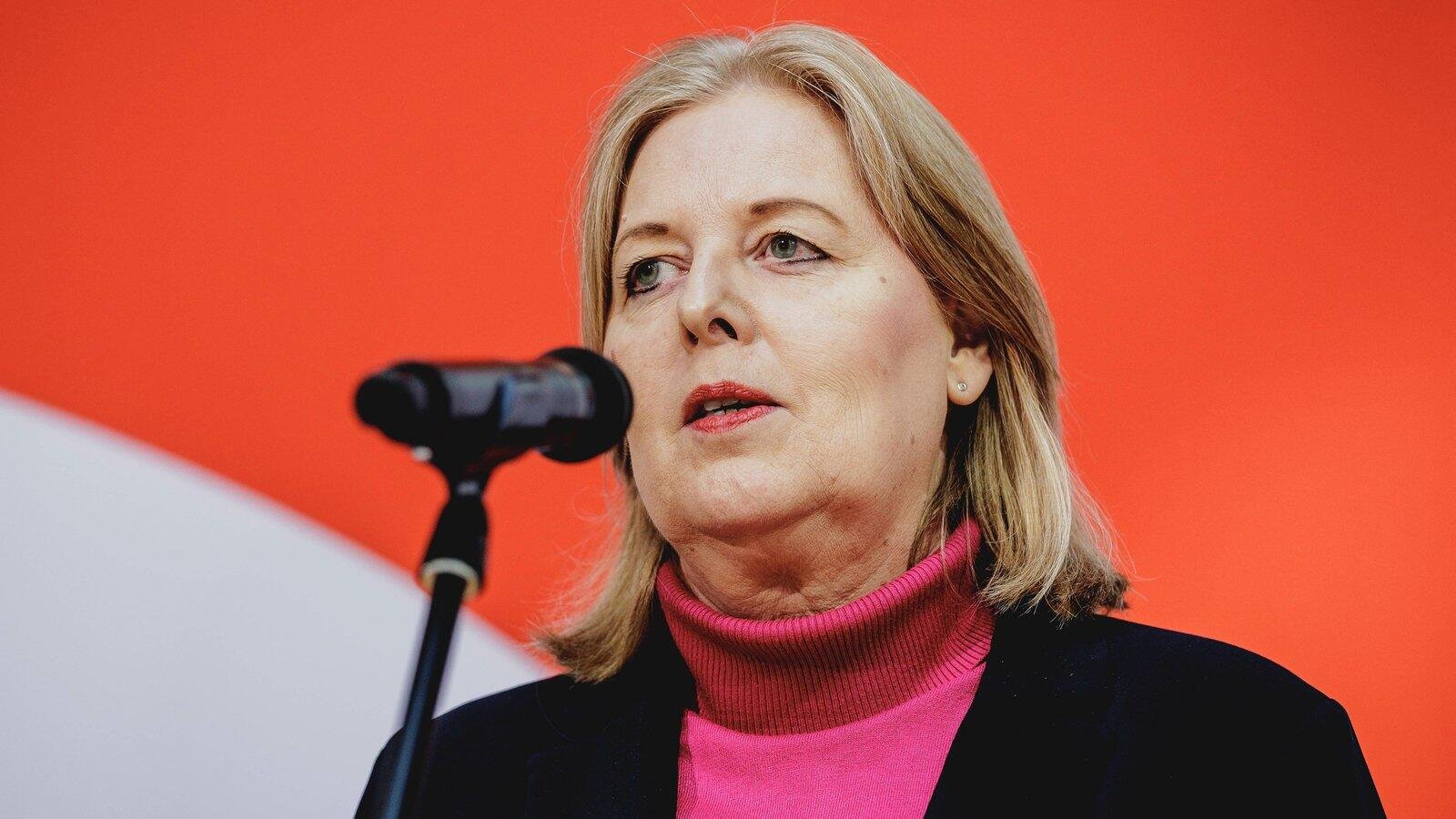
Bas, 58, has been an SPD member of the Bundestag since 2009. She trained as a social insurance specialist and worked in health insurance administration before entering politics. She was president of the Bundestag from 2021 to 2025.
She became labour minister in May 2025 and was elected SPD co-leader in June 2025 with 95% of delegates’ votes, far more than Klingbeil’s 64.9%, according to Austrian broadcaster ORF. Her ministry runs much of Germany’s costly welfare system, which Merz wants to cut.
A member of the SPD’s left wing, she was still seen as a constructive team player who could bridge disputes in a coalition divided since it took office in May 2025.
What’s next for the SPD and the government?
What Happens Next After Bärbel Bas Resigns
- Labour ministry: Schweitzer is set to be proposed to the president. Whether he has been formally appointed and sworn in is not yet confirmed in the sources reviewed.
- SPD leadership: Klingbeil remains in his posts. According to Blick, the party will elect its leadership anew around the turn of the year. Who will stand is not yet known.
- Reform agenda: Draft laws on working time and pensions now fall to a new minister.
- Merz’s position: He has vowed to stay in office after heavy CDU losses in September’s state elections.
- Elections: The next general election is due in 2029, but five more state elections take place next year.
What It Means for Workers and Welfare Policy
For workers and pensioners, nothing changes immediately. No rules take effect because of the resignation. The open question is how fast the drafts move and how firmly the SPD defends current protections.
The SPD’s grassroots set out red lines on working-time reform on 5 October, according to ARD. That suggests talks will stay difficult whoever holds the ministry.
Frequently Asked Questions
Why did Bärbel Bas resign?
She said she needed time to grieve her stepdaughter and that public attacks, partly from the CDU/CSU, continued during this period.
Who replaces Bärbel Bas as labour minister?
Alexander Schweitzer, the former minister-president of Rhineland-Palatinate, is set to take over.
Will the German coalition collapse?
No collapse has been announced. Wadephul said the coalition has a task to fulfil for four years, while the AfD says it is finished.
The Bigger Picture
The departure weakens a coalition that was already fragile. Both governing parties have lost support, and the AfD is leading national polls at about 30%, according to the Guardian. It also raises a question about political tone. In an ARD commentary, Georg Schwarte asked whether Germany wants such a relentless political culture and noted how quickly debate had moved on to her successor. Whether the SPD and CDU lower the temperature or let mistrust grow will decide how much of their reform agenda they can still deliver.
This is a developing story and will be updated.
Sources
- The Guardian: German minister quits after “indecent” attacks intensify during bereavement
- ARD Tagesschau: Bas tritt als Arbeitsministerin und SPD-Chefin zurück (12 October 2026)
- ARD commentary by Georg Schwarte (12 October 2026)
- Blick: SPD-Chefin und Arbeitsministerin Bärbel Bas tritt zurück
- Joyn Newstime: Merz pocht auf zügige Reformen unter Nachfolger Schweitzer
- ZDFheute: Merz reagiert auf Bas’ Rücktritt
- ORF: SPD-Wahlschlappe: Klingbeil sieht sich als Blitzableiter