

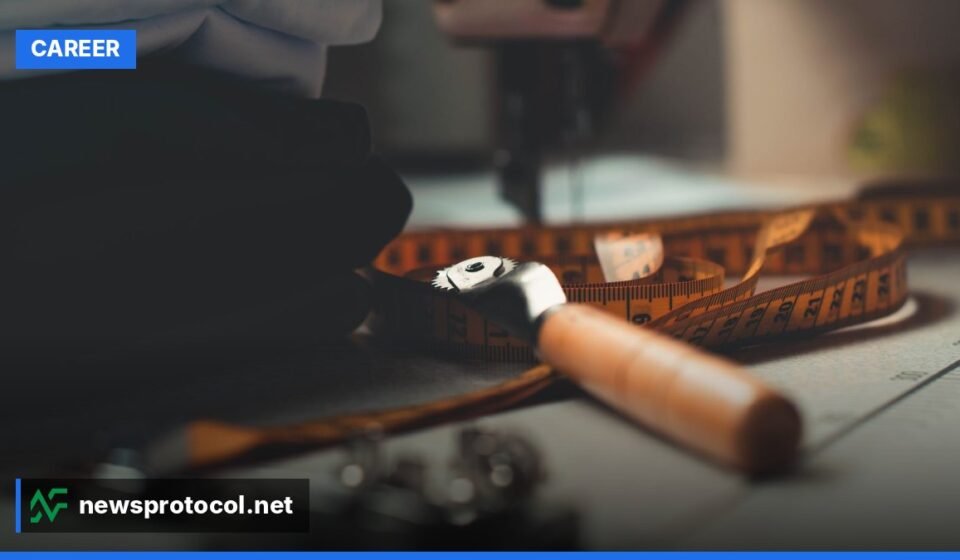

Strictly Come Dancing costume jobs encompass a range of specialist roles that create the glittering outfits seen on the BBC’s flagship dance show.
Key Facts
- DSI London supplies costumes for the last three series of Strictly Come Dancing.
- Founded in 1982, DSI now employs 52 skilled artisans in its Croydon studio.
- Costume creation combines dance‑specific movement expertise with high‑end fashion craftsmanship.
- London’s creative sector accounts for one in six jobs and contributes £7.3 bn annually (City Hall, 2025).
- Typical entry‑level roles require 2-4 years of textile or garment construction experience.
What are strictly come dancing costume jobs?
Strictly come dancing costume jobs are positions within costume houses that design, construct, and maintain the performance garments worn by the show’s professional dancers and celebrity contestants. These roles range from design concept to final fitting and include specialised tasks such as fabric sourcing, pattern making, hand‑sewing, and on‑stage repairs.
Which roles make up the strictly come dancing costume team?
DSI London, the primary supplier for Strictly, organises its workforce into distinct functions. The table below summarises the main positions, core duties and typical experience required.
| Role | Core Duties | Typical Experience |
|---|---|---|
| Costume Designer | Concept sketches, colour palette, collaboration with choreographers. | 3‑5 years in fashion or theatrical design. |
| Pattern Maker | Translate sketches into paper or digital patterns, adjust for dancer movement. | 2‑4 years in garment construction. |
| Seamstress / Tailor | Cut fabric, hand‑sew and machine‑sew pieces, add embellishments. | Apprenticeship or equivalent. |
| Fabric Specialist | Source specialist stretch and sparkle fabrics, test durability. | Background in textile science. |
| Fit Technician | Conduct fittings, make real‑time alterations, ensure comfort. | Experience with performance wear. |
| Production Manager | Schedule builds, coordinate with DSI’s sales team, meet broadcast deadlines. | Project‑management background. |
How do strictly come dancing costume jobs differ from regular fashion jobs?
Performance costumes must accommodate extreme movement while maintaining visual impact. As Gerald Schwanzer, sales director at DSI London, explains, “Performers want to move, and we want to accentuate the movement… you need real experts to do something great.” Regular fashion focuses on everyday wearability; strictly come dancing roles demand stretch‑friendly fabrics, reinforced seams and quick‑change capabilities.
What skills are essential for strictly come dancing costume jobs?
- Movement‑aware construction: Understanding of ballroom and Latin dance dynamics.
- Fabric expertise: Ability to work with vivid, bright, and often sequined materials.
- Precision sewing: Hand‑sewing techniques for delicate embellishments.
- Time management: Tight deadlines aligned with weekly broadcast schedules.
- Collaboration: Working closely with choreographers, lighting designers and performers.
How can you break into strictly come dancing costume jobs?
- Gain a solid foundation in garment construction through a fashion or textile programme.
- Seek apprenticeships or entry‑level positions at costume houses such as DSI London.
- Build a portfolio that showcases movement‑friendly designs and fabric manipulation.
- Network within the UK performance‑wear community; attend events like the Behind the Seams Tour.
- Apply for specific openings on the DSI careers page or through UK creative‑industry job boards.
What is the typical salary range for strictly come dancing costume roles?
Salary levels vary by role and experience. According to industry benchmarks for UK costume workshops:
- Entry‑level seamstress: £22,000, £28,000 per year.
- Pattern maker: £28,000, £35,000 per year.
- Costume designer (senior): £38,000, £48,000 per year.
Freelance specialists may charge day rates of £250, £400, especially during peak production periods.
Where can you see strictly come dancing costume jobs in action?
The Behind the Seams Tour at DSI London offers a two‑hour immersive experience that showcases the full workflow, from fabric selection to the final glittering garment. Visitors can watch dressmakers at work, explore the stockroom of shimmering fabrics, and even try on a costume for a spin. More information is available on the DSI London website
How do strictly come dancing costume jobs contribute to the UK creative economy?
Performance costume houses like DSI London support the broader creative sector, which accounts for one in six London jobs and adds an estimated £7.3 bn annually (City Hall, 2025). The “Made in London” label on Strictly costumes enhances the city’s reputation for high‑quality, locally produced entertainment apparel.
FAQ
What qualifications do I need to become a costume designer for Strictly?
A degree or diploma in fashion, textile design or theatrical costume, plus a portfolio demonstrating movement‑focused garments, is typically required.
Are there apprenticeship programmes for costume makers in London?
Yes; several studios, including DSI London, offer apprenticeships that combine on‑the‑job training with mentorship from experienced artisans.
How long does it take to create a Strictly costume from concept to final fit?
Depending on complexity, the process can take 4‑6 weeks, with multiple fittings to ensure freedom of movement.
Do strictly come dancing costume jobs involve travel?
Most roles are based in the studio, but senior designers may travel for fittings at the BBC studios or for international promotional events.
Can I work freelance for Strictly costume production?
Freelancers are hired for specialised tasks such as embroidery or rapid repairs, usually on a per‑project basis.
Sources: DSI London – Behind the Seams Tour – BBC News – Croydon fashion studio makes Strictly and Wicked stage costumesUpdated: October 30, 2026.