

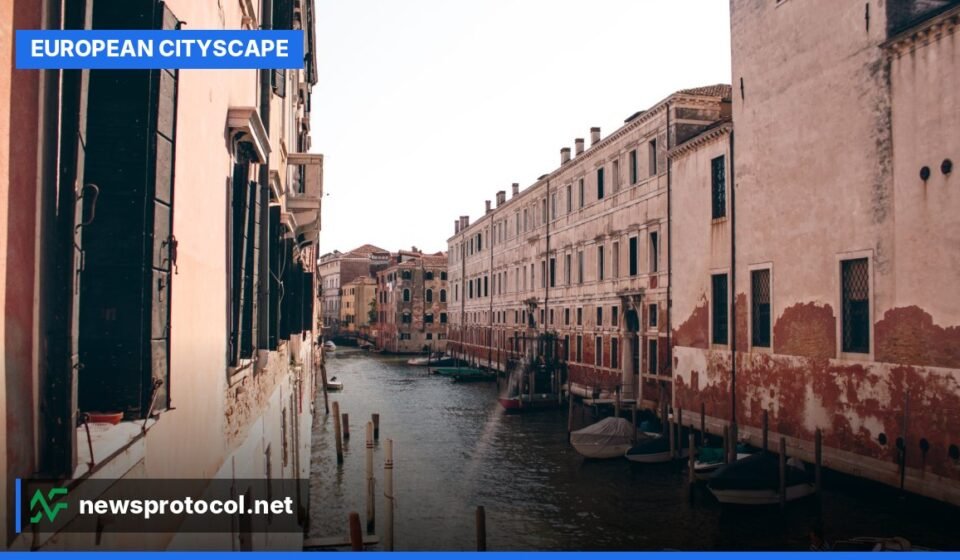

Many European cities offer the charm, history, and romance often associated with Paris, but without the crowds and high prices. Destinations like Lyon, Bordeaux, and Budapest provide rich cultural experiences, stunning architecture, and world-class cuisine at a more accessible cost, making them excellent alternatives to Paris.
Key Facts
- Lyon is recognized as France’s gastronomic capital, offering world-class dining.
- Bordeaux features elegant limestone boulevards and is a hub for wine enthusiasts.
- Budapest, often called the “Paris of the East,” boasts impressive 19th-century architecture and thermal baths.
- Kraków provides significant historical sites and affordability compared to Western European capitals.
- Valencia blends historic charm with modern urban design and is the birthplace of paella.
Paris remains a popular tourist destination, but its popularity often leads to crowds, long queues, and higher prices. With the city hosting the Summer Olympics in 2024, these issues are expected to intensify, according to Get Lost in WanderlustFortunately, Europe offers numerous cities that deliver similar experiences, from grand boulevards to café culture, often at a fraction of the cost.
What Are the Best Alternatives to Paris in France?
France itself offers several cities that provide a Parisian-like experience with fewer tourists and a more relaxed atmosphere. These destinations capture the essence of French culture, history, and gastronomy.
- Lyon: Situated along the Rhône and Saône rivers, Lyon is the capital of France’s Auvergne-Rhône-Alpes region. It boasts over 2,000 years of history, with medieval and Renaissance architecture in Vieux Lyon, including ancient traboules or secret passageways. Lyon is also widely regarded as the capital of French gastronomy, with dining that rivals Paris, according to Beyond The Journey
- Bordeaux: This port city in southwestern France serves as the main hub for one of the country’s most famous wine regions. Bordeaux features elegant limestone facades and a revitalized waterfront. Its Gothic Cathédrale Saint-André and numerous 18th and 19th-century mansions contribute to its sophisticated beauty. More than 7,000 wine chateaux and vineyards are in the region, making it ideal for wine lovers, as noted by Get Lost in WanderlustYou can also explore the rich history of French wine through a food and wine tour.
- Strasbourg: Located in France’s Alsace region near the German border, Strasbourg is known for its half-timbered houses, medieval architecture, and picturesque canals. Its historic center is a UNESCO World Heritage site. During December, the city’s Christmas market is considered one of the best in France, transforming the area into a winter wonderland.
- Annecy: Known as the “Venice of the Alps,” Annecy is a small town on the shores of Lake Annecy. It combines natural beauty with medieval architecture, featuring a medieval Château d’Annecy and an old town with cobblestone streets and canals. The turquoise lake provides a stunning backdrop for waterfront dining.
- Reims: In northeastern France’s Grand Est region, Reims is the capital of the Champagne region. It is famous for its Gothic Cathedral of Notre-Dame of Reims, which opened in 1275. The cathedral’s stained glass windows and carved portals are notable, especially while Paris’s Notre Dame Cathedral undergoes reconstruction.
- Nice: Along the French Riviera, Nice offers a blend of beaches, historic charm, and culture. Its old town features narrow cobblestone streets and Baroque architecture. Nice is particularly appealing in warmer months for its Mediterranean coastline.
- Versailles: Just outside Paris, Versailles is home to the Palace of Versailles, a former residence of the French Royal Court from 1682 to 1789. The palace is one of Europe’s largest and most impressive, showcasing the opulence of the 17th and 18th centuries. Staying in Versailles allows for a smaller town experience with easy access to Paris for day trips.
- Nantes: Located along the Loire Valley River, Nantes offers museums, architecture, and historic landmarks like the Château des Ducs de Bretagne and Nantes Cathedral. It provides a more affordable option with fewer tourists compared to Paris.
- Dijon: The capital of the Burgundy region, Dijon is renowned for its cuisine, wine, and architecture. The region is the birthplace of Chardonnay and Pinot Noir wines, with many vineyards accessible near the city. Dijon is also famous for gastronomic specialties such as boeuf bourguignon and Dijon mustard.
What Other European Cities Offer a Similar Experience to Paris?
Beyond France, many European cities provide similar cultural richness, architectural beauty, and romantic ambiance without the typical Parisian tourist density and costs.
- Budapest, Hungary: Often called the “Paris of the East,” Budapest is the capital of Hungary, split by the Danube River. It features elegant beauty, rich history, and notable 19th-century architecture. Highlights include Castle Hill, vibrant nightlife, and a dynamic food and drink scene. Budapest is also significantly more affordable than Paris, according to Get Lost in Wanderlust
- Vienna, Austria: Vienna, the capital of Austria, is comparable to Paris in its cultural and historical significance. It served as a powerful capital in the 19th century and is known for its Baroque architecture, classical music heritage, and coffee house culture. The Schönbrunn Palace, once home to the Habsburg Empire, shares similarities with the Palace of Versailles.
- Prague, Czech Republic: Prague’s magical skyline of spires and towers, along with its well-preserved architectural heritage from Gothic to Art Nouveau, makes it feel like a city from a fantasy novel. The Charles Bridge, hidden courtyards, and local beer gardens offer authentic Czech experiences at competitive prices.
- Kraków, Poland: This city offers medieval charm and affordability. Its large market square buzzes with energy, while underground salt mines and a preserved Jewish quarter tell powerful stories. Local milk bars serve hearty Polish comfort food at prices much lower than in Western Europe.
- Valencia, Spain: Valencia blends historic charm with forward-thinking urban design. It transformed an old riverbed into a massive green park and built the City of Arts and Sciences. As the birthplace of paella, it offers authentic Spanish cuisine. Pristine beaches are minutes from the medieval center.
- Ghent, Belgium: Ghent combines the architectural beauty of Bruges with the vibrant feel of a university town. Medieval towers rise above tranquil canals. The famous Ghent Altarpiece attracts art lovers, and vibrant food markets show local specialties. Its student population helps keep prices reasonable.
- Lisbon, Portugal: Lisbon, the capital of Portugal, is known for its sunshine, historic neighborhoods like Alfama and Belém, and stunning viewpoints (miradouros). Trams navigate steep, azulejo-tiled streets, and the city offers a relaxed atmosphere with significant cultural depth.
- Porto, Portugal: Porto is characterized by its steep lanes, tiled churches, and views over the Douro River. The Dom Luis I bridge is a dramatic landmark, and the Livraria Lello bookshop is renowned for its beauty. Port wine cellars offer affordable tastings.
- Turin, Italy: Turin, the former seat of Italian royalty, features 18 kilometers of arcaded boulevards, royal palaces, and grand cafés. It offers an elegant, aristocratic feel similar to Paris but with fewer tourists.
- Seville, Spain: Seville offers a warm, romantic atmosphere with orange tree-lined streets and horse carriages. The Alcázar palace is a stunning architectural site, and evenings are enjoyed across plaza café tables.
- Riga, Latvia: Riga boasts more Art Nouveau architecture than any other city globally, with about a third of its center covered in dramatic facades. Its cobbled old town and the Central Market, housed in former Zeppelin hangars, are notable. Prices are among the lowest of any European capital.
- Ljubljana, Slovenia: Ljubljana is a compact capital city known for its riverside charm and numerous cafes and galleries. The Triple Bridge and the castle on a hill above the old town contribute to its unique character. It offers romance without the noise of larger cities.
- Bologna, Italy: Bologna is famous for its culinary scene, with 40 kilometers of medieval porticoes and some of Italy’s best food. The Two Towers and Piazza Maggiore are central landmarks. As home to the oldest university in the Western world, it has a youthful, intellectual energy.
- Tallinn, Estonia: Tallinn’s medieval old town is a UNESCO World Heritage Site, with Gothic spires and cobblestone streets largely unchanged for centuries. Toompea Hill offers panoramic views of the city and the Baltic Sea. The city also has a thriving tech scene, creating a contrast between ancient and modern.
FAQ
Which French cities are good alternatives to Paris?
Lyon, Bordeaux, Strasbourg, Annecy, Reims, Nice, Versailles, Nantes, and Dijon are excellent French cities offering similar cultural, historical, and gastronomic experiences to Paris without the same level of crowds or expense.
Are there any affordable European cities similar to Paris?
Yes, cities like Budapest, Prague, Kraków, Valencia, Lisbon, Porto, Turin, Seville, Ghent, Riga, Ljubljana, Bologna, and Tallinn offer grand boulevards, café culture, and romance at a more affordable price point than Paris.
What makes Lyon a good alternative to Paris?
Lyon is considered the gastronomic capital of France, offering world-class cuisine, medieval and Renaissance architecture in its old town, and a vibrant cultural scene without the tourist density of Paris.
Why might travelers choose an alternative to Paris?
Travelers often seek alternatives to Paris to avoid large crowds, high prices, and long queues, especially during peak seasons or major events like the 2024 Summer Olympics, as noted by Get Lost in Wanderlust
Which cities offer good wine experiences as alternatives to Paris?
Bordeaux in France is a primary hub for wine regions, with thousands of chateaux and vineyards. Dijon, the capital of Burgundy, also offers extensive wine experiences, particularly for Chardonnay and Pinot Noir lovers.
Sources: Beyond The Journey – Get Lost in Wanderlust – Wanderlust Storytellers – Unearth The VoyageUpdated: November 8, 2026.