

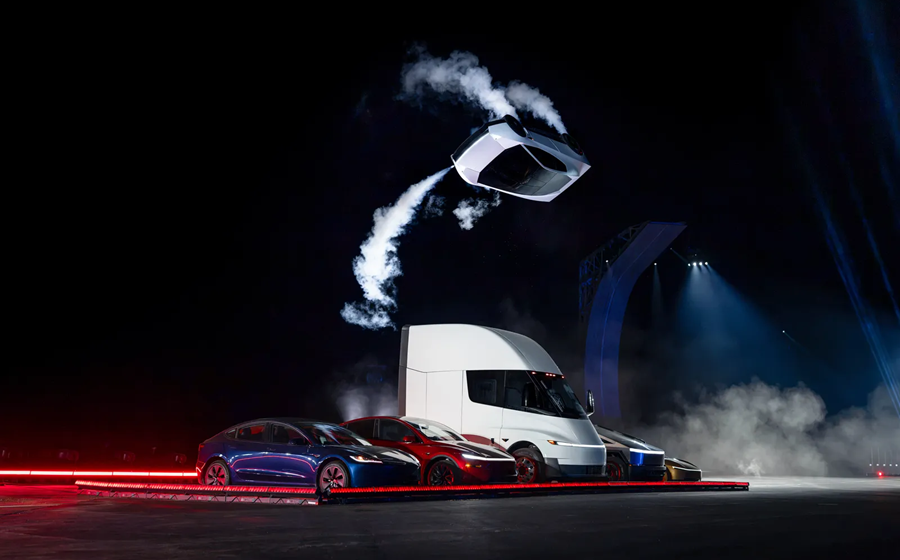

The Tesla flying car is what Elon Musk called a prototype Roadster 2 that launched off a steel ramp, rolled in mid-air and landed on its wheels at SpaceX’s test site in McGregor, Texas, on Thursday, October 15. Tesla livestreamed the demonstration on X, and nobody was inside the car.
Musk said flying cars are real. The demo, though, left a bigger question open: is this a car that flies, or a car that jumps and lands under control? The answer matters for buyers, regulators and a model that has been delayed for years.
Tesla Flying Car Today: What Happened at the Roadster 2 Event
Coverage describes two main stunts. In the first, the Roadster 2 used suction fans to grip a giant arched ramp and drive upside down. It then launched off the ramp, completed a barrel roll and slowed its descent with thrusters before landing.
In the second, thrusters flung the car over a row of parked vehicles, and it drove away afterward. Musk said the car was not built with safety as the priority, which is why Tesla ran the demos without a driver, according to the third source article.
Tesla and Musk gave these headline claims at the event:
- 0 to 60 mph in under one second for the thruster-equipped version
- A top speed of 230 mph, with Musk reportedly naming a longer-term goal of 383 mph
- More than 1 megawatt of power (1,341 horsepower), rear-wheel drive only
- A range of over 300 miles and a 15-to-80 percent charge in 10 minutes
- Production starting in 2028
How the Roadster 2 Pulled Off the Stunts
Tesla vehicle engineering head Lars Moravy explained the hardware to Hagerty before the event, as summarized in the first source article. Three systems do the work.
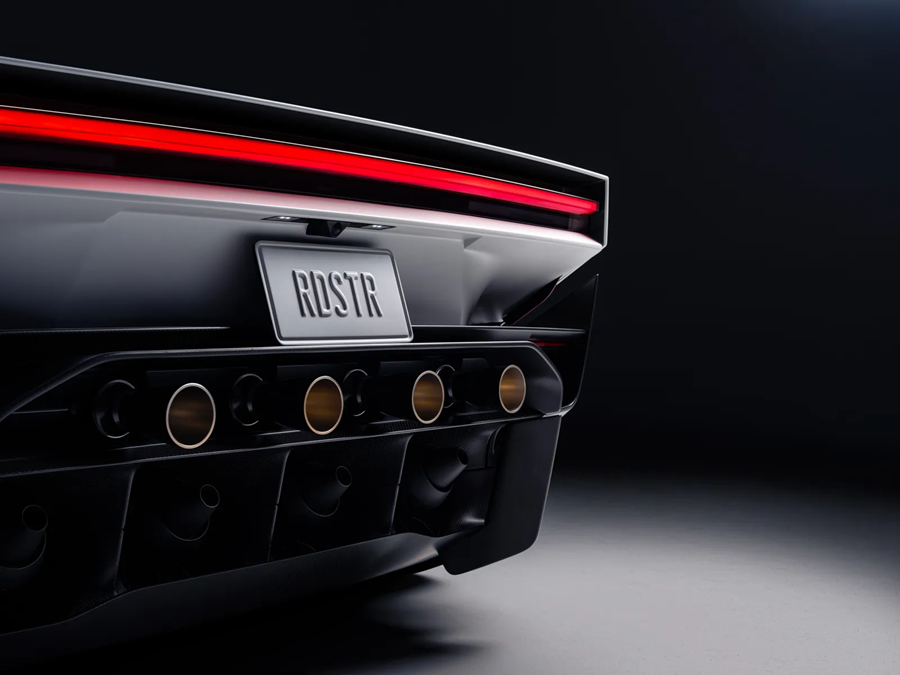
- Suction fans: Four 20-kilowatt fans and drop-down skirts pull the car toward the surface at low speed. Moravy claims over 2 Gs of cornering force even below 50 mph.
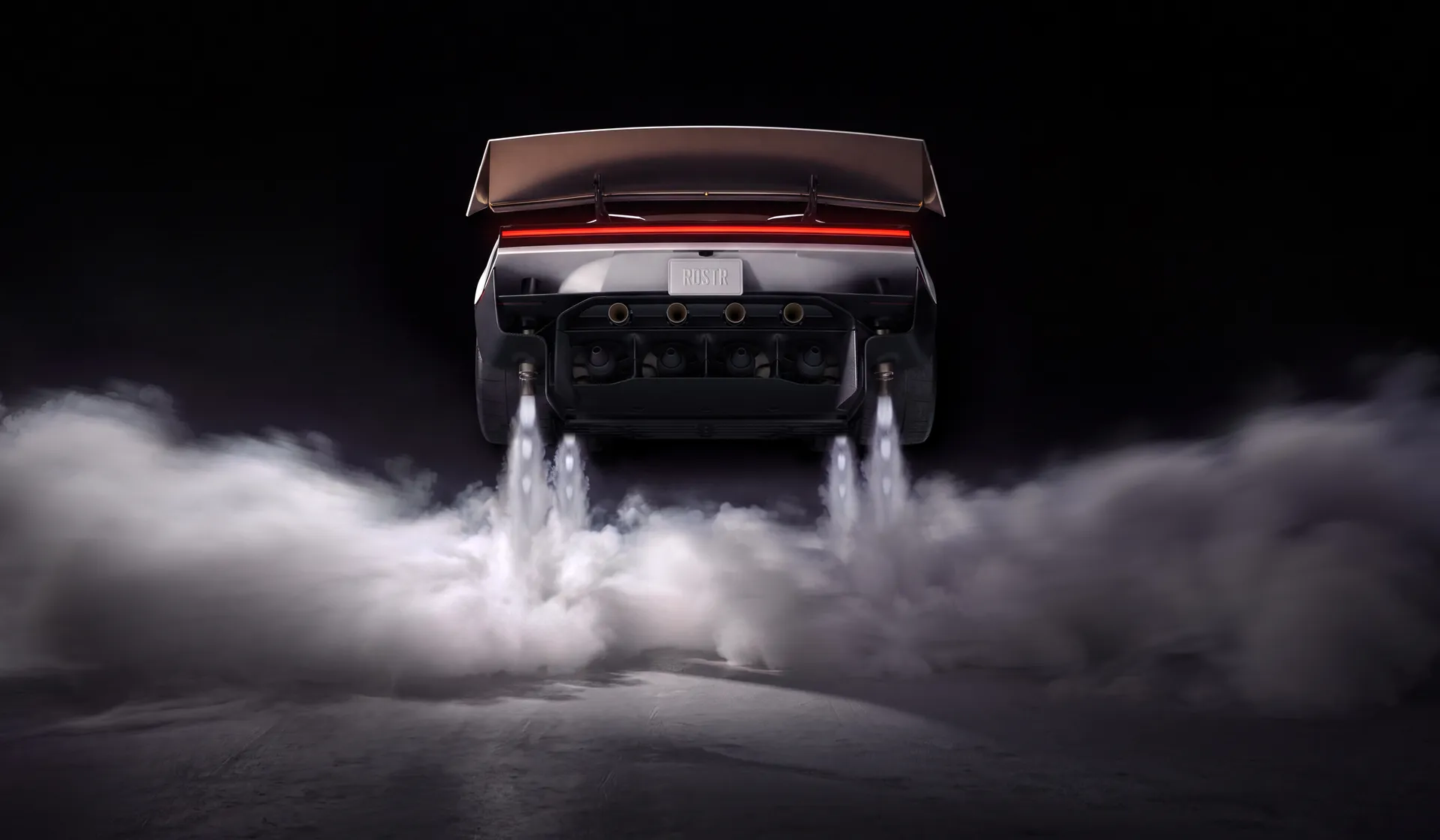
- Cold gas thrusters: A 200-liter tank behind the seats holds nitrogen at up to 10,000 PSI. Releasing it through nozzles pushes the car the opposite way, the same principle spacecraft use for small adjustments. Moravy says the rear thrusters produce over 80 kilonewtons in launch mode.
- The “flight system”: An extra 400-liter tank, taking the total to 600 liters, and six more thrusters. This version replaces the passenger seat, so it is a single-seater.
Here is what the sources do not say. Cold gas thrust fades as tank pressure drops, which Moravy compares to a balloon running out of air. That suggests very short bursts of thrust, but no source gives a flight time, height or distance. Without those numbers, “flying” is hard to judge.
Why the Roadster 2 Faces So Much Scrutiny
Tesla first announced this car nine years ago. According to the first source article, Musk once said Roadster deliveries would start in 2020, so the 2028 target carries a history of missed dates.
Tesla’s demo record adds to the caution. The second source article points to a 2016 self-driving video and quotes a Musk email saying it was fine to hardcode parts of a demo. It also mentions allegations that Tesla remotely controlled its Optimus robots in 2024. These are reported claims about past events, not findings about this car.
The idea itself is old. According to the third source article, aviation pioneer Glenn Curtiss showed a flying car prototype in 1917. Interest has grown again with better electric motors and batteries.
Regulators and Rivals: Who Else Is Affected
Regulation may be the biggest hurdle. A former Federal Aviation Administration official told Wired that any flying vehicle over 250 pounds needs FAA approval, and operators would likely need a recreational aviation license. Musk himself said he was not sure the car would be legal in every jurisdiction.
On performance, the first source article compares the Roadster 2 with the McMurtry Spéirling Pure, which it says takes 1.3 seconds to reach 60 mph. The same article says Tesla’s stock was down after the event, though that was only a snapshot at the time of writing.
What Comes Next for the Tesla Flying Car
- Development: Current prototypes will be used for further testing, with production planned for 2028.
- Refueling: Refilling the 600-liter nitrogen tanks takes six to seven hours, per the first source article. Tesla is reportedly working to cut that to 30 minutes.
- Legal approval: No regulator has approved flight use. The FAA position on a car with thrusters is not yet known.
- Access: The second source article says the flying version cannot be reserved and will be invite only.
- Independent proof: No third party has verified the acceleration, range or charging claims yet.
What Buyers Should Check Before Reserving
Tesla’s site reportedly takes a $5,000 reservation fee, with the balance due within 10 days. The first source article lists $45,000 more for the Performance model and $245,000 more for the Thrust model. Another report says the final price has not been disclosed, so check Tesla’s own page before paying.
- Read the refund terms. The sources do not say whether the deposit is refundable.
- Confirm which version you are buying. Performance has the fans but no thrusters (0 to 60 in 1.6 seconds, 210 mph), while Thrust adds the rear thrusters.
- Do not assume you can fly it. The flight version is a separate, invite-only car.
- Ask about tank refilling, since nitrogen servicing is not something most owners have access to.
The Bigger Picture
The event showed that a Tesla can use SpaceX hardware to leap, roll and land with control, and that is a real engineering feat. It did not show a car that can fly on demand, carry people, or pass an aviation review. For Tesla, the demo is a statement of ambition for a car that has already missed one delivery date by years. The test will come in 2028, when independent numbers and regulator decisions replace stage footage.
This is a developing story and will be updated.