

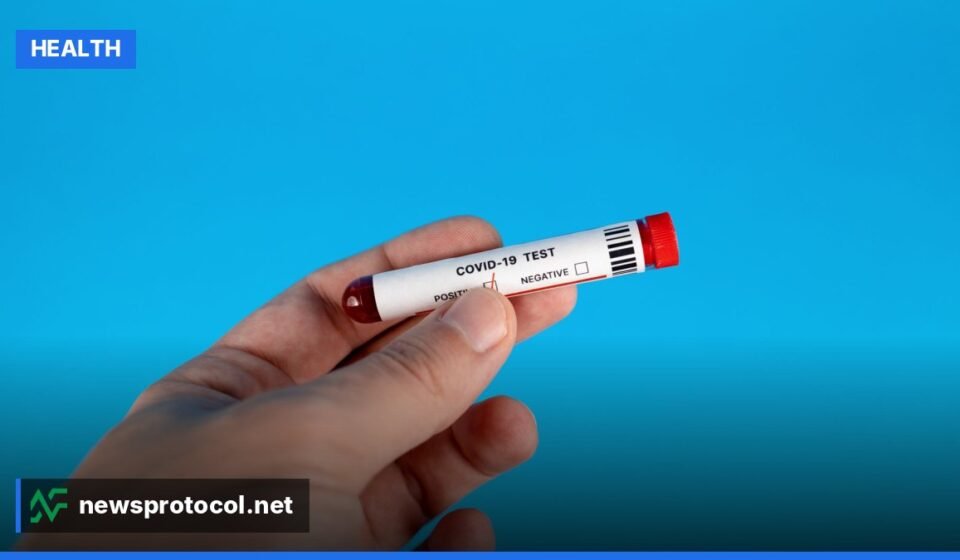

The new protocol for testing positive for COVID requires at least five days of isolation, mask use through day 10 and symptom monitoring before returning to normal activities.
Key Facts
- Day 0 is the day of a positive test or symptom onset, whichever comes first (CDC).
- Minimum isolation: 5 days; extended to 10 days for moderate, severe or immunocompromised cases (CDC; Ubie Health).
- Masking is required around others from day 6 through day 10, even if isolation ends early (CDC; Ubie Health).
- Two negative antigen tests 48 hours apart can shorten mask use, but a positive test resets the isolation clock (CDC).
- Seek emergency care for warning signs such as trouble breathing or chest pain (CDC).
What is the new protocol for testing positive for COVID?
The new protocol for testing positive for COVID outlines a clear timeline: isolate at home for at least five days, wear a high‑quality mask around others for the next five days, and only end isolation when fever‑free for 24 hours without medication and symptoms are improving.
How do I start isolation after a positive test?
Isolation begins on Day 0, which is the day you receive a positive result or the day symptoms start, whichever is earlier. Day 1 is the first full day after Day 0.
- Stay home and separate yourself from other household members.
- Use a separate bathroom if possible; otherwise, clean shared surfaces frequently.
- Keep windows open or use air filters to improve ventilation.
- Do not share personal items such as cups, towels or utensils.
How long must I isolate?
For most people with mild to moderate illness, isolation lasts five days. If you develop symptoms within ten days of testing, the clock restarts at symptom onset.
| Illness severity | Minimum isolation | Notes |
|---|---|---|
| Mild or asymptomatic | 5 days | Mask through day 10 |
| Moderate (shortness of breath) | 10 days | Consult provider before ending |
| Severe or immunocompromised | 10 days or longer | Medical guidance required |
When can I end isolation?
You may end isolation after day 5 if you meet all three conditions:
- No fever for 24 hours without using fever‑reducing medication.
- Other symptoms are improving (loss of taste or smell may persist).
- You are willing to wear a well‑fitting mask around others through day 10.
If you have moderate or severe illness, continue isolation through day 10 and follow your doctor’s advice.
What are the mask requirements?
From day 6 to day 10, wear a high‑quality, well‑fitting mask (e.g., N95, KN95, or surgical mask) whenever you are indoors around other people, even if you have ended isolation.
Can I use rapid antigen tests to end isolation sooner?
The CDC no longer requires a negative test for most people, but you may choose a test‑based strategy. Obtain two negative rapid antigen tests at least 48 hours apart, with the first test taken no sooner than day 5. If both are negative, you may stop wearing a mask after day 10.
What should I do if symptoms return?
If you develop new or worsening symptoms after isolation ends, restart isolation on Day 0 of symptom onset and repeat the isolation steps. Contact a healthcare provider if you experience emergency warning signs such as difficulty breathing, persistent chest pain, or new confusion.
How do I protect high‑risk individuals?
Even after ending isolation, avoid high‑risk settings (nursing homes, hospitals, or households with immunocompromised members) until at least day 11. Continue masking and maintain good ventilation in shared spaces.
How does the new protocol differ from earlier guidance?
Earlier CDC guidance often required a negative test before ending isolation. The 2026 update emphasizes symptom‑based criteria and a fixed five‑day minimum, with optional testing to shorten mask use. It also clarifies that vaccination status does not change the isolation timeline.
What steps should I take after isolation ends?
- Continue wearing a mask in public indoor settings through day 10.
- Monitor your health for at least 24 hours; seek care if new symptoms appear.
- Resume normal activities gradually, avoiding large gatherings for a few more days if possible.
- Stay up to date with any local health orders or employer policies.
FAQ
How many days do I need to isolate after a positive COVID test?
At least five days, extending to ten days for moderate, severe or immunocompromised cases.
Do I need a negative test to end isolation?
No, a negative test is optional. You can end isolation after day 5 if fever‑free for 24 hours and symptoms improve, then mask through day 10.
When can I stop wearing a mask after a positive test?
Masking is required around others from day 6 through day 10, even if isolation ends early.
What should I do if I develop symptoms again after ending isolation?
Restart isolation on the day symptoms return and follow the same steps, seeking medical advice for severe signs.
Are the isolation rules different for vaccinated people?
The isolation timeline is the same regardless of vaccination status; vaccination does not shorten the required isolation period.
Sources: CDC – Isolation and Precautions for People with COVID‑19 – Ubie Health – New CDC COVID Isolation Rules: Urgent 2026 UpdateUpdated: November 6, 2026.